
FAST (Free Ad-Supported Streaming Television) has transformed television viewing. As the ecosystem matures, platforms continue to invest in content, channel line-ups, tech, and user experience to attract and retain audiences.
But despite the industry's rapid growth, one misconception remains surprisingly common: people often assume FAST viewers behave like SVOD (Subscription Video on Demand) viewers. In reality, they don't.
After years of operating channels across global FAST platforms, we've found that viewer behaviour is often much closer to traditional television than many expect.
The streaming era conditioned audiences to search, browse, and discover. FAST often works differently.
Many viewers aren't actively looking for something new. They're looking for something familiar: known genres, recognisable formats, trusted personalities, and clear channel propositions.
The most successful FAST channels often provide a viewing experience that audiences immediately understand, whether that's travel, adventure, food, property, motoring or crime. The clearer the proposition, the easier it is for viewers to engage.
One of the biggest differences between FAST and on-demand viewing is how audiences consume content. FAST is often a channel experience rather than a title experience.
While a blockbuster title can certainly drive engagement, long-term viewing is usually built through programming strategy. Episodic formats are particularly effective because viewers can enter at any point.
Unlike heavily serialised content, audiences don't need to start from episode one to enjoy the experience. The result is a more accessible and flexible viewing environment that encourages longer viewing sessions.
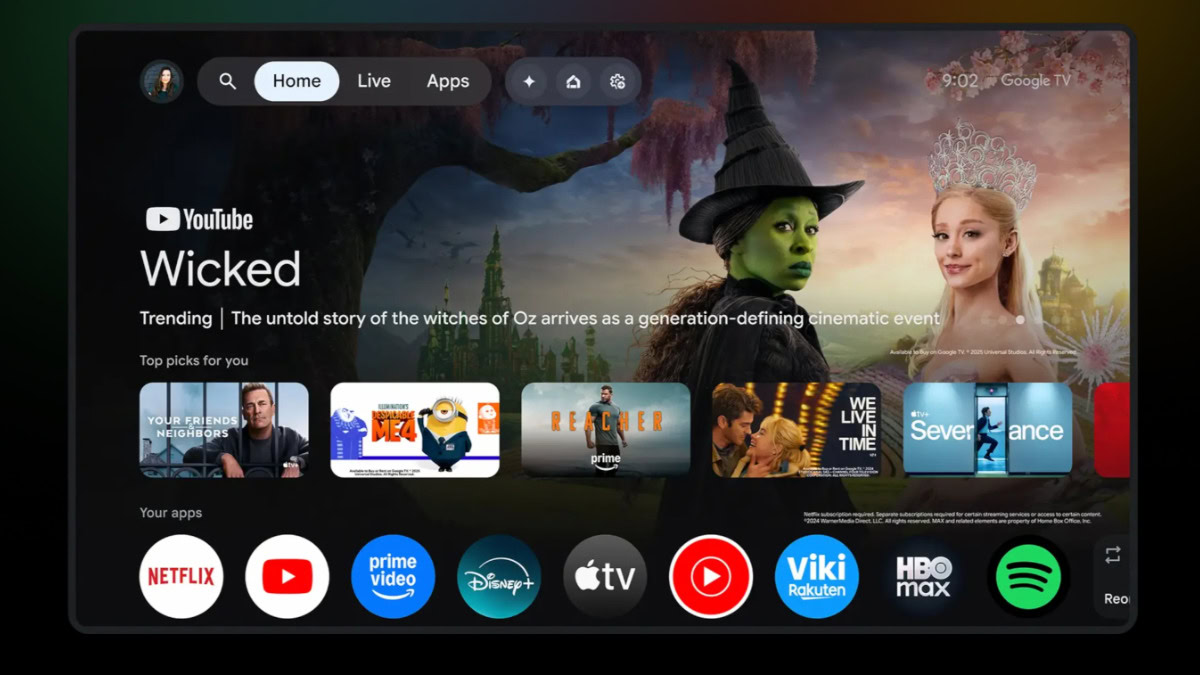
Great content is essential. But great content alone doesn't guarantee success. Platform environment plays a significant role in viewer behaviour. The factos below can all have a measurable impact on engagement.
The principle isn't unique to FAST. Search engines, e-commerce, and streaming services all demonstrate the same behaviour: visibility drives discovery. Channels that are easier to find are more likely to be watched, and channels that are promoted are more likely to build audiences.
Not every viewing session starts with a specific content choice. Many FAST viewers simply want entertainment that fits naturally into their day.
Whether they're cooking, exercising, working from home, relaxing in the evening, or browsing on a second screen, FAST often delivers a more passive viewing experience. This helps explain why repeatable, evergreen formats continue to perform strongly across the ecosystem.
The goal isn't always discovery. Often it's comfort, familiarity, and ease of viewing.
Successful FAST channels tend to answer one simple question immediately: "What am I going to get here?"
Strong channel brands remove friction from the viewing experience. A viewer browsing hundreds of available channels makes decisions quickly. Clear positioning helps channels stand out, encourages selection, and improves viewer retention.
This is why genre-led, passion-led, and lifestyle-focused channels continue to perform strongly within FAST environments.
One of the most exciting aspects of FAST is that the ecosystem continues to develop. New merchandising opportunities, advertising tech, recommendation tools, audience insights, and platform innovations are creating new ways to connect viewers with content.
As operators, platforms, and content partners continue to learn from audience behaviour, the viewing experience will only become more sophisticated.
At Insight TV, we operate channels across multiple FAST platforms and territories around the world, and we know that the combination of content, programming, positioning, promotion, and platform experience.
Understanding how those elements work together is what transforms channels into destinations and viewers into loyal audiences.
As FAST continues to grow, the strongest results will come from partners who understand not just what audiences watch, but how they watch. Learn more about working with us on our Channel Partners page.



_Fullbleed.jpg)
.svg)